Tag: tap water

  • Introducing The Worlds Most Advanced Whole Home Water Filtration System

    Introduction: The Hidden Dangers of Tap Water

    Access to clean and safe drinking water is fundamental to human health and well-being. However, many households rely on tap water that may contain various contaminants, posing hidden dangers not only to health but also to the integrity of the home. Urban and even rural water supplies can be tainted with pollutants that originate from agricultural runoff, industrial discharges, or outdated plumbing systems. Such pollutants can introduce harmful toxins into the water supply, affecting both its quality and the safety of its use.

    Common contaminants found in tap water include chlorine, lead, pesticides, and bacteria. These substances can lead to serious health issues, such as gastrointestinal problems, developmental defects, and long-term conditions that compromise the immune system. Moreover, the effects of contaminated water extend beyond individual health risks; they also pose threats to household infrastructure. For instance, mineral build-up from hard water can cause significant damage to plumbing systems, resulting in costly repairs and replacements over time. Appliances, ranging from water heaters to dishwashers, can suffer premature failure due to deposits left by untreated water, triggering a cascade of additional expenses that few homeowners anticipate.

    Despite these significant risks, many people remain unaware of the specific hazards posed by their tap water. This lack of awareness can lead to a culture of complacency, where the potential for waterborne toxins is underestimated. With a growing understanding of the implications of water quality on health and home maintenance, it has become increasingly essential for homeowners to explore effective solutions. One promising approach is the implementation of a comprehensive water filtration system. Such systems, like the Hydration2O Sentry Whole House Wellness System, promise to address these issues, providing an effective defense against water quality concerns while ensuring the health and safety of every household member.

    The Impact of Poor Water Quality on Your Home

    Water quality in residential homes is often overlooked yet plays a critical role in the overall integrity of various fixtures and appliances. Poor water quality can manifest in multiple detrimental ways, affecting not only the physical structures within a home but also the health and well-being of its occupants. One of the primary concerns associated with subpar water quality is the buildup of limescale. This mineral deposit develops when hard water flows through pipes and appliances. Over time, limescale accumulation can lead to serious issues, including reduced efficiency of appliances such as water heaters, dishwashers, and washing machines. Consequently, homeowners may face increased energy bills and the need for costly repairs or replacements.

    In addition to mechanical issues, poor water quality can also have adverse effects on personal health. Water that contains high levels of chlorine, heavy metals, or other contaminants can irritate the skin and adversely affect hair health. Those who frequently experience dryness or irritation may find that their symptoms worsen with exposure to such water. Moreover, families with young children or individuals with sensitive skin may be especially vulnerable to the harmful effects of impurities in the water supply.

    Long-term exposure to poor quality water can also contribute to deteriorating plumbing systems. Corrosive elements present in water can lead to pipe deterioration, resulting in leaks, clogs, and even more severe plumbing emergencies. The potential for these issues underscores the importance of regularly assessing water quality and maintaining effective filtration systems. Investing in a solution like the Hydration2O Sentry Whole House Wellness System can significantly improve water quality, thereby safeguarding both home fixtures and the health of residents. Consistent monitoring and treatment of water quality are essential for ensuring that your home remains a safe and comfortable environment.

    Introducing the Hydration2O Sentry Whole House Wellness System

    The Hydration2O Sentry Whole House Wellness System is designed to enhance water quality across an entire home, providing a comprehensive solution to households seeking to improve their water standards. This advanced system features a sophisticated 2-stage filtration process that effectively removes a wide array of toxins and impurities from the water supply, ensuring that every tap, shower, and appliance benefits from cleaner, safer water.

    At the heart of the Hydration2O system is its innovative filtration technology. The first stage employs a sediment pre-filter to capture larger particles such as dirt, silt, and rust, which can accumulate in municipal water systems and private wells. This initial filtration step is crucial, as it prevents these particulates from damaging plumbing fixtures and appliances over time. Following this, the second stage utilizes a highly efficient activated carbon filter designed to eliminate harmful chemicals, chlorine, and volatile organic compounds (VOCs) that may pose health risks. This dual-stage approach guarantees that the water flowing through the home is not only clean but also free from unpleasant odors and tastes.

    Furthermore, the Hydration2O Sentry system is equipped with smart monitoring technology that tracks water quality and alerts homeowners to any significant changes. This feature ensures that families can consistently rely on their water source without worry. Additionally, by installing a whole house water filtration system, households can significantly reduce scale buildup on appliances, faucets, and pipes, thereby extending their lifespan and improving efficiency.

    With its user-friendly design and minimal maintenance requirements, the Hydration2O Sentry Whole House Wellness System stands out as a reliable choice for those looking to safeguard their home from potential water contaminants while enhancing overall water quality.

    Benefits of the Sentry System for Your Home and Health

    The Hydration2O Sentry Whole House Wellness System provides a range of benefits that significantly improve both home environment and personal well-being. One of the standout features of the Sentry System is its capability for toxin elimination. Many households are at risk of having water contaminated with harmful substances such as chlorine, heavy metals, and other pollutants. By integrating a filtration system that effectively removes these toxins, the Sentry ensures that every tap in your home dispenses clean, safe water. This not only enhances the quality of drinking water but also reduces the potential health risks associated with long-term exposure to these contaminants.

    Another key advantage of the Sentry System is its ability to prevent scale build-up in plumbing and appliances. Hard water, characterized by high mineral content, often leads to the formation of limescale which can obstruct pipes and reduce the efficiency of appliances like washing machines and dishwashers. By tackling scale formation, the Sentry System helps extend the lifespan of these appliances, ultimately saving homeowners on repairs and replacements. Furthermore, this reduction in scale contributes to lower energy bills, as appliances operate more efficiently when free from mineral deposits.

    In addition to protecting plumbing, the Sentry System enriches water with beneficial minerals. These minerals support healthier skin and hair by enhancing hydration. Users often report noticeable improvements in both complexion and hair texture after utilizing water treated by the Sentry System. Regular exposure to clean, mineral-enhanced water not only contributes to better overall skin health but can also promote a sense of well-being. Overall, the Sentry Whole House Wellness System provides a multifaceted solution for households looking to improve their water quality, enhance appliance longevity, and promote personal health.

    Transform Your Bathroom Experience: Healthier Showers and Clean Hair

    The quality of water that flows through our homes has significant implications not only for the structure of our properties but also for our personal health and wellness. One of the most notable areas affected by water quality is the bathroom, where daily habits like showering and grooming take center stage. Investing in the Hydration2O Sentry Whole House Wellness System can transform your bathroom experience, enhancing both the quality of your water and the outcomes of your daily routines.

    Softened water provided by the Sentry system can lead to a remarkable improvement in the health of your hair and skin. Hard water, which contains high levels of minerals such as calcium and magnesium, can restrict lathering effectiveness of shampoos and body washes. As a result, many individuals struggle with residue build-up that can leave hair looking dull and limp. Conversely, softened water allows for better lathering properties, enabling shampoos and conditioners to work more efficiently, leading to shinier, healthier hair. Likewise, the gentler nature of softened water can also contribute to smoother skin, as it minimizes harsh interactions that lead to dryness or irritation.

    Additionally, softer water can improve the effectiveness of other bath products, such as soaps and lotions, allowing them to penetrate the skin more deeply and deliver optimal moisture. This can have a positive impact on skin health, as individuals may notice a reduction in flakiness and an overall improvement in texture. Showering in softened water not only transforms the way our hair and skin react to products but also contributes to a more pleasant and rejuvenating bathing experience.

    Ultimately, investing in the Hydration2O Sentry Whole House Wellness System helps to create an environment that promotes health and well-being, making your bathroom a sanctuary rather than just a functional space. Embracing this technological advancement can usher in a new era of self-care that prioritizes the vitality of both your hair and skin.

    The Advantages for Kitchen Appliances and Cooking

    In any household, the quality of water has a significant impact on the performance and longevity of kitchen appliances. Hard water, which contains high levels of minerals such as calcium and magnesium, can lead to the buildup of scale in dishwashers, coffee machines, and other cooking appliances. This mineral accumulation can hinder machine efficiency, leading to appliances working harder and consuming more energy to achieve the same results. By integrating the Hydration2O Sentry Whole House Wellness System, homeowners can ensure that the water supplying their kitchen appliances is filtered and free of harmful minerals.

    One of the primary advantages of clean water in the kitchen is the reduced mineral buildup in appliances. With a whole house system in place, dishwashers benefit from smoother operation, as there is less residue left behind on dishes, resulting in cleaner results and less need for rewashing. Similarly, coffee machines can extract flavors more effectively when using filtered water, enhancing the taste of brewed beverages. This allows for a richer coffee experience, as impurities are removed, allowing for the true flavor profile of the coffee beans to shine through.

    Furthermore, cooking with purified water has implications not only for taste but also for health. When preparing foods such as pasta or soups, the use of filtered water can improve texture and flavor, ensuring that meals are enjoyable and nutritious. The absence of chlorine, heavy metals, and other contaminants found in unfiltered water can transform everyday cooking into a more wholesome experience. Overall, utilizing the Hydration2O Sentry Whole House Wellness System can lead to cleaner appliances, better tasting food and beverages, and ultimately contribute to a healthier lifestyle.

    The Uplift of Drinking Water: Enhance Taste and Quality

    Access to clean and purified drinking water is essential not only for hydration but also for overall health. The introduction of the Hydration2O Sentry Whole House Wellness System exemplifies how advancements in water filtration have transformed our everyday water experience. This innovative under-sink system thoughtfully adds essential minerals such as calcium and magnesium, which are vital for the body’s functions, providing both taste enhancement and health benefits.

    One of the significant advantages of this system is its ability to improve the taste of drinking water. Unprocessed water often contains impurities that can detract from its flavor. With the Hydration2O Sentry, the addition of these essential minerals helps create a more pleasant and refreshing drinking experience. The enhanced taste encourages individuals and families to consume more water, which is crucial for maintaining optimal hydration levels throughout the day.

    Moreover, the incorporation of these minerals fosters alkalinity, which can positively affect bodily functions. Alkaline water is known to help neutralize acidity in the body, which some studies suggest may benefit overall health. These benefits are particularly appealing in today’s world, where many individuals seek healthier lifestyle choices. By automatically enriching drinking water with important minerals, the Sentry system promotes hydration and, by extension, the well-being of its users.

    Ultimately, the enhancements provided by the Hydration2O Sentry Whole House Wellness System not only make drinking water more enjoyable but also contribute to better health outcomes. By ensuring that the water consumed is both palatable and nutritionally beneficial, this system stands out as an essential addition to any home invested in health and wellness.

    Join the Movement: Cleaner Water for Healthier Living

    As awareness about the importance of water quality grows, more individuals are recognizing the vital role it plays in maintaining a healthy lifestyle. Water quality directly affects not only our health but also the longevity of our homes and appliances. The initiative to promote better water standards is crucial, and now is an opportune time to join this movement for cleaner, healthier living. With the Hydration2O Sentry Whole House Wellness System, a tangible step toward better water is within reach.

    Investing in your home’s water quality is an investment in your family’s wellbeing. The Hydration2O Sentry system not only improves the quality of the water you consume but also ensures that water used for bathing and cleaning is free from harmful contaminants. By filtering out pollutants, this system significantly enhances the water’s overall purity, contributing to healthier living environments. Cleaner water can lead to numerous health benefits, including improved skin conditions, better digestion, and enhanced overall wellness.

    The commitment to cleaner water is further incentivized by a limited-time discount offer for new customers. This promotional opportunity presents an excellent chance for homeowners to upgrade their water quality without the burden of excessive costs. By seizing this moment, you are not only elevating your home’s water standards but also making a proactive choice for your family’s health.

    Moreover, with a satisfaction guarantee in place, potential customers can feel assured in their decision to invest in the Hydration2O Sentry Whole House Wellness System. This means that if the system does not meet your expectations, options are available to ensure your satisfaction. As part of a growing community that prioritizes health and wellness, joining the movement for cleaner water is a decisive step towards a more sustainable and healthier lifestyle.

    Conclusion: Your Water, Your Health, Your Decision

    As we conclude our exploration of the importance of clean water and the potential hidden dangers that may be lurking within your tap, it is crucial to recognize the profound impact that water quality has on both our health and our homes. The Hydration2O Sentry Whole House Wellness System is designed to provide an effective solution to these concerns, ensuring that every drop of water you and your family consume is free of harmful contaminants. This system not only safeguards your health but also helps maintain the integrity of your plumbing and appliances, making it an essential investment for every household.

    With the Hydration2O Sentry system in place, you can enjoy the peace of mind that comes with knowing your water is being treated to remove impurities, thus contributing to overall wellness. From skin health to hydration, the quality of your drinking water directly influences your well-being. Moreover, by choosing a comprehensive whole-house filtration system, such as this one, you are making a proactive decision to enhance your quality of life and promote a healthier living environment for your loved ones.

    Ultimately, the decision to upgrade your water system is a personal one, influenced by awareness of the critical role clean water plays in safeguarding both health and the longevity of your home. Implementing the Hydration2O Sentry system can lead to significant positive changes, empowering you to take control of your water quality. As you assess your current water situation, consider the tangible benefits that a fully integrated water filtration solution provides. Investing in the right system is not just about cleaner water; it’s about securing a better, healthier future for you and your family.
  • The Hidden Dangers: How Pharmaceuticals Find Their Way into Your Tap Water

    The Hidden Dangers: How Pharmaceuticals Find Their Way into Your Tap Water

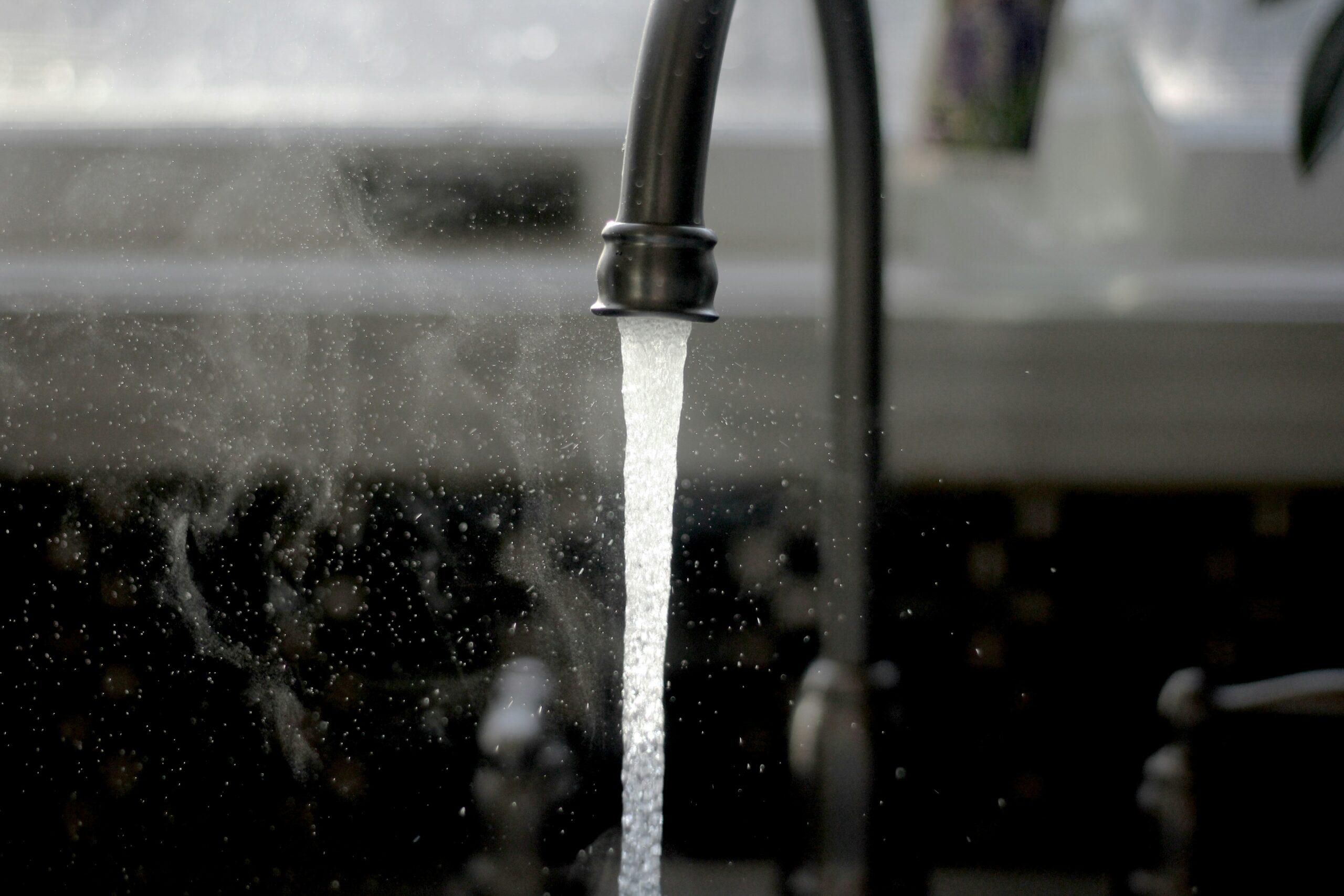
    a faucet running water from a kitchen sink

    Introduction to Pharmaceuticals in Water

    The presence of pharmaceuticals in drinking water has emerged as a significant public health concern in recent years. Numerous studies have reported traces of various pharmaceutical compounds in tap water, leading to increased awareness about this contamination. It is estimated that over 60% of rivers and streams across urban areas are contaminated with some level of pharmaceuticals, highlighting the growing prevalence of this issue.

    Pharmaceuticals find their way into water systems through multiple routes. One of the primary contributors is the disposal of unused or expired medications. Many individuals incorrectly flush these substances down the toilet or throw them in the trash, allowing them to enter wastewater systems. Additionally, when pharmaceuticals are consumed, only a fraction is metabolized by the body; the remaining compounds are excreted and eventually reach water bodies through sewage discharge. Runoff from agricultural areas also contributes to this issue, as livestock may be treated with antibiotics and hormones that enter the water supply when utilized incorrectly.

    The effects of this contamination are still being understood, but emerging research indicates potential risks to human health and aquatic ecosystems. Disruptions to endocrine systems in wildlife and possibly humans have been documented, leading to calls for comprehensive studies on the long-term impacts of continued exposure to these chemicals in drinking water. Efforts to mitigate these risks have intensified, with an increasing emphasis on the need for effective water treatment solutions, particularly the use of advanced filtration techniques. For instance, under-sink filters and other water filters can significantly reduce the concentration of pharmaceuticals in tap water, promoting safer drinking supplies for consumers.

    Common Sources of Pharmaceutical Contamination

    Pharmaceutical contamination in drinking water presents a significant public health concern, and understanding its sources is critical for devising effective management strategies. One of the primary contributors to this issue is human excretion. When individuals consume medications, a portion of these drugs is metabolized and broken down, while the remaining active ingredients are expelled as waste. This pathway leads to the introduction of various pharmaceuticals into sewage systems, ultimately affecting the quality of water processed by wastewater treatment plants.

    Another significant source of pharmaceutical contamination is the improper disposal of medications. Many people dispose of unused or expired prescription drugs by flushing them down the toilet or throwing them in the trash, rather than following recommended disposal guidelines. This practice not only introduces pharmaceuticals directly into the water supply but also increases the pharmaceutical load at treatment facilities, which may not be equipped to handle these contaminants adequately.

    Agricultural runoff also plays a crucial role in the introduction of pharmaceuticals into water systems. Livestock commonly receive medications and growth hormones that can enter water bodies through runoff during rain. This phenomenon not only affects surface waters but can also seep into groundwater, providing another route through which pharmaceuticals can enter public drinking water supplies.

    Finally, wastewater treatment plants are often not designed to remove pharmaceutical compounds effectively. While these facilities excel at eliminating bacteria and larger contaminants, many pharmaceuticals remain in the treated effluent due to their chemical stability and resistance to standard treatment processes. As a result, the effluent discharged from these plants can contribute significantly to the contamination of nearby water sources.

    The Role of Wastewater Treatment Plants

    Wastewater treatment plants play a critical role in managing water quality by processing effluent from various domestic, industrial, and municipal sources. Their primary function is to remove harmful contaminants, including pharmaceuticals, from wastewater before it is released back into the environment or returned as treated drinking water. However, current treatment technologies often fall short when it comes to effectively filtering out all types of pharmaceuticals.

    Traditional treatment methods, such as biological treatment and sedimentation, are designed to remove large particulate matter and degrade organic pollutants. These processes may not adequately address the more complex chemical structures found in certain pharmaceutical compounds. Consequently, some drugs are not fully metabolized or removed during treatment, leading to their re-entry into drinking water sources.

    The limitations of existing treatment systems are further highlighted by the diverse range of pharmaceuticals that can be present in wastewater. Many medications are resistant to standard filtration processes, and their molecular configurations allow them to pass through treatment barriers unharmed. Additionally, many wastewater treatment plants were not originally designed with the removal of pharmaceuticals as a priority, undermining their ability to mitigate this emerging threat to water quality.

    Advanced treatment technologies, such as membrane filtration and advanced oxidation processes, show promise in enhancing the efficiency of contaminant removal. These cutting-edge methods can significantly reduce the concentrations of pharmaceuticals in treated water. Nevertheless, their implementation can be costly and logistically challenging, creating a gap in effective regulation and management of wastewater discharge.

    In addressing this challenge, the interaction between wastewater treatment plants and evolving water quality standards is vital. The integration of improved treatment technologies is essential in safeguarding drinking water from pharmaceutical contaminants, ultimately ensuring the health and safety of public water supplies.

    Impact on Human Health

    The presence of pharmaceuticals in drinking water has raised significant concerns regarding the health implications for humans. Studies have revealed that trace amounts of various drugs, including antibiotics and hormones, can disrupt hormonal balances and contribute to antibiotic resistance. A notable investigation conducted by the U.S. Geological Survey found that pharmaceutical residues were present in numerous water samples throughout the country. This widespread contamination highlights a pressing public health issue.

    Antibiotic resistance is one of the most alarming consequences associated with pharmaceuticals in our tap water. When individuals consume water containing these substances, the bacteria in their bodies may develop resistance to antibiotics over time. This phenomenon impedes the effectiveness of critical medications, resulting in serious health risks, particularly for vulnerable populations such as the elderly or those suffering from chronic illnesses. Additionally, the long-term exposure to low levels of pharmaceuticals in drinking water may disrupt the normal functioning of human endocrine systems, potentially leading to reproductive issues and other hormonal-related disorders.

    Further research links the consumption of pharmaceutical-laden drinking water to numerous adverse health effects, including developmental issues in children and increased risks of certain cancers. The persistent presence of drugs in water sources may stem from various factors such as pharmaceutical manufacturing discharge, improper disposal of medications, and agricultural runoff. These contaminants pose significant challenges, rendering traditional water purification techniques, such as basic municipal treatments, insufficient in completely removing these compounds.

    While the implementation of advanced water filters, including under-sink filters, can enhance the removal of pharmaceuticals from drinking water, public awareness and proactive measures are crucial. Communities must advocate for increased scrutiny of water quality and consider investing in robust filtration systems to mitigate the risks posed by pharmaceuticals in their tap water. The health impacts of these contaminants emphasize the need for collective action to ensure the safety of public drinking water sources.

    Environmental Consequences

    The presence of pharmaceuticals in drinking water represents a significant environmental concern, affecting not only human health but also the delicate balance of aquatic ecosystems. Pharmaceuticals, often released into the environment through improper disposal, agricultural runoff, and wastewater treatment facilities, can contaminate rivers, lakes, and other water sources. Once introduced into these ecosystems, these substances can disrupt the natural behaviors and biological processes of aquatic life.

    For instance, the ingestion of pharmaceuticals by fish can lead to alterations in reproductive and growth patterns, ultimately affecting fish populations and the species that rely on them for food. Studies have demonstrated that even trace amounts of certain medications, such as antidepressants and hormones, can result in behavioral changes among aquatic organisms, including changes in feeding habits and predator-prey dynamics. Such disturbances can ripple through the food chain, leading to unforeseen consequences for both wildlife and human populations that rely on these ecosystems for resources.

    Furthermore, pharmaceuticals in drinking water can contribute to the emergence and spread of antibiotic-resistant bacteria. The continuous exposure of pathogens to low levels of antibiotics present in contaminated water may foster resistance, resulting in health risks for wildlife and humans alike. This situation emphasizes the importance of effective water filtration systems, including under-sink filters, that can help mitigate these risks by removing contaminants from drinking water. The installation of water filters can serve as a crucial step in safeguarding not only human health but also the integrity of aquatic ecosystems.

    As we delve deeper into understanding the environmental consequences posed by pharmaceuticals, it becomes evident that coordinated efforts are necessary to ensure the preservation of both our water sources and the diverse wildlife that depend on them.

    Regulatory Landscape and Safety Measures

    The presence of pharmaceuticals in drinking water has prompted significant concern among health officials, environmentalists, and the general public. In the United States, the Environmental Protection Agency (EPA) oversees regulations that pertain to drinking water safety. These regulations ensure that public water systems maintain certain safety standards to protect consumer health. However, addressing pharmaceutical contamination remains a considerable challenge within this framework. Currently, the EPA has established Maximum Contaminant Levels (MCLs) for various substances; notably, pharmaceuticals are not included in this list, highlighting a regulatory gap.

    Despite the absence of specific regulations regarding pharmaceuticals, the EPA employs the Safe Drinking Water Act to assert some level of control. The agency monitors water supplies for contaminants and encourages regular testing of public health protocols to identify any potential pharmaceutical residues. Nevertheless, studies have shown that many pharmaceuticals enter municipal water systems through industrial discharge, agricultural runoff, and even household waste. This underscores an urgent need for more stringent regulations tailored explicitly to the presence of pharmaceuticals in drinking water.

    State-level programs also play a role in managing water safety. Some states have begun to implement their own regulations and testing protocols specifically for pharmaceuticals, yet this patchwork approach can lead to inconsistencies in water quality. One emerging method of addressing these contaminants involves the promotion of advanced filtration systems in homes, such as under-sink filters and whole-house water filters. These filtration technologies can effectively reduce pharmaceutical levels, providing a supplementary layer of protection. However, reliance solely on these measures could mask larger regulatory shortcomings.

    In conclusion, while current regulations exist to safeguard drinking water, there remain significant gaps regarding pharmaceutical contamination. Addressing these issues through improved regulatory measures and public awareness is essential to ensure the safety of our drinking water and the well-being of the environment.

    What You Can Do to Protect Your Water

    As the presence of pharmaceuticals in drinking water becomes a growing concern, individuals can take proactive measures to minimize their exposure and safeguard their health. One of the most effective solutions involves the responsible disposal of medications. Many communities offer drug take-back programs that provide safe locations for disposing of unused or expired pharmaceuticals, preventing them from entering water systems through landfills. By taking advantage of these programs, you help protect not only your drinking water but also the broader ecosystem.

    Another crucial step is to improve the quality of water consumed at home. Utilizing water filtration systems, such as under-sink filters, can significantly reduce the contaminants present in tap water, including pharmaceuticals. These filters are designed to remove a wide range of impurities, ensuring that the water you drink is cleaner and safer. It is essential to choose high-quality water filters that are specifically certified to remove pharmaceutical substances, considering that not all filtration systems offer the same levels of protection.

    In addition, advocating for better regulations and improved practices within your community can create a more substantial impact. Engaging with local officials and supporting initiatives aimed at reducing pharmaceutical pollution in water sources can lead to meaningful changes in policy. Public awareness campaigns, community meetings, and educational programs can help underscore the importance of this issue and mobilize greater community action. By fostering an environment where everyone understands the risks associated with pharmaceuticals in drinking water, collective effort can lead to necessary improvements in water management practices.

    Ultimately, protecting your drinking water requires a multifaceted approach that includes responsible medication disposal, effective use of water filters, and community advocacy. Together, these measures contribute to reducing the prevalence of pharmaceuticals in water systems and promote a healthier, cleaner environment for all.

    Innovative Solutions and Advances in Water Treatment

    The issue of pharmaceuticals contaminating drinking water has prompted significant advancements in water treatment technology. Traditional methods, while useful, often fall short in effectively removing these complex organic compounds from our tap water. Consequently, researchers and engineers have been focusing on innovative solutions to enhance the purification processes.

    One promising approach involves the development of advanced filtration systems that specifically target pharmaceutical residues. Under-sink filters, for instance, are being engineered with greater precision, incorporating multi-stage processes that combine activated carbon, reverse osmosis, and UV irradiation. These systems not only improve the removal of pharmaceuticals from drinking water but also ensure higher overall water quality, benefiting residential users. Furthermore, some of these under-sink filters are designed for easy installation and maintenance, making them accessible to a wider range of households.

    Another innovative method is the use of membrane bioreactors, which integrate biological treatment with membrane filtration. This technology shows great efficiency in degrading pharmaceutical compounds, thus transforming hazardous pollutants into less harmful substances. By employing this technology in municipal water treatment facilities, cities can significantly reduce the concentration of pharmaceuticals found in the final effluent released into the environment.

    Moreover, emerging methods such as advanced oxidation processes (AOPs) are gaining traction. AOPs utilize powerful oxidants to break down persistent contaminants into simpler, non-toxic molecules. These processes can be combined with existing water treatment systems to enhance their effectiveness, ensuring that drinking water is safeguarded from harmful pharmaceuticals. Against this backdrop, the ongoing research and development of innovative solutions represent a crucial step toward better management of pharmaceuticals in drinking water, paving the way for safer, cleaner tap water for future generations.

    Conclusion: A Call to Action

    Pharmaceutical contamination in drinking water is a pressing issue that cannot be overlooked. Throughout this post, we have explored the pathways through which these substances infiltrate our tap water, highlighting various sources of pollution and their potential health implications. From improper disposal of pharmaceuticals to agricultural runoff, it is evident that the presence of such pollutants poses significant risks to not only individual health but also to public wellness.

    Awareness is the first step towards addressing this issue. As consumers, it is imperative to recognize the value of water filters, particularly under-sink filters, which can effectively reduce the concentration of pharmaceuticals and other contaminants in drinking water. Investing in a quality water filtration system can provide peace of mind and safeguard your family from the unseen dangers lurking in tap water. Moreover, staying informed about local water quality reports and advocating for regular testing can empower communities to demand action from local authorities.

    As we confront the reality of pharmaceutical contamination, it is essential to support policies aimed at better managing pharmaceutical disposal and enhancing the regulation of water sources. Community advocacy plays a significant role in this effort; by joining forces with local organizations, individuals can encourage changes that promote safer water practices. Ensuring access to clean and safe drinking water is a fundamental right, and collectively, we can work towards achieving this objective. Therefore, it is crucial to remain vigilant about the impact of pharmaceuticals on our water and to take informed, proactive measures to protect our health and the environment.

Translate »