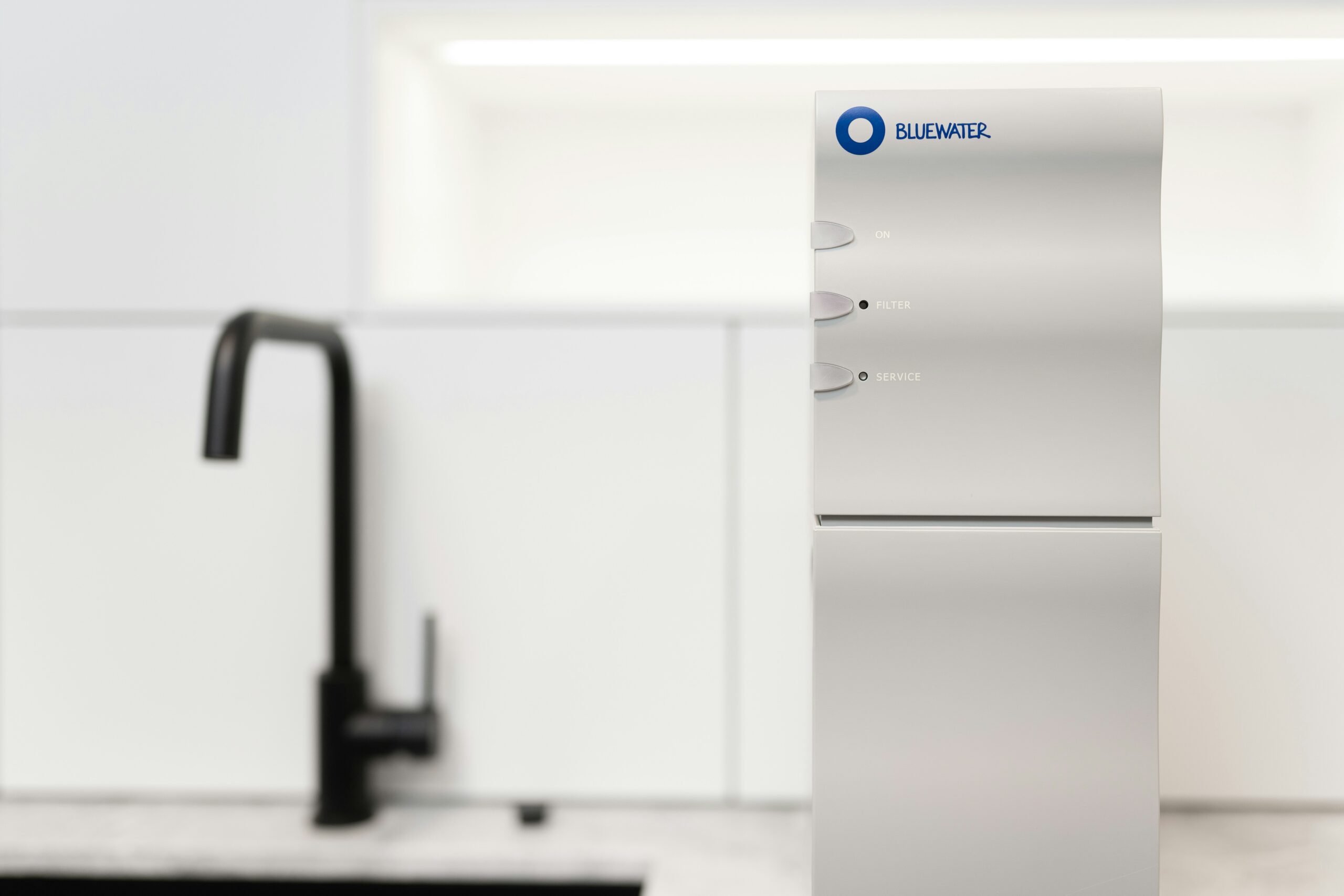
Understanding Water Filtration
Water filtration is a crucial process that aims to purify water by removing impurities, contaminants, and harmful substances, ensuring that it is safe for human consumption. At its core, a water filter is a device designed to separate particles and contaminants from water, thus enhancing its quality. The most common types of water filters include reverse osmosis, activated carbon, and ultraviolet light systems, each employing distinct methodologies to achieve their goals.
Reverse osmosis filters utilize a semi-permeable membrane that allows only water molecules to pass through while blocking larger molecules, such as salts and various impurities. This method effectively reduces contaminants and results in water that is not only free from various pollutants but can also contribute to a higher oxygen content in the filtered water due to its purity. In contrast, activated carbon filters work by adsorption, attracting and binding impurities onto the carbon surface, resulting in cleaner and taste-enhanced water.
The primary purpose of filtering water is to improve its quality and safety. This process involves not only the removal of physical particles but also the eradication of chemical pollutants, pathogens, and undesirable tastes or odors. On a molecular level, effective filtration removes particles that could pose health risks, thereby delivering water that is cleaner and safer for drinking. Additionally, by ensuring the water is purified, filtration systems can indirectly support improved oxygen levels in water. Cleaner water can absorb and retain gases, including oxygen, more effectively, which is vital for overall hydration and bodily functions.
Providing access to clean drinking water is a fundamental human right, and efficient water filtration systems play an essential role in ensuring that this vital resource remains free from contaminants and retains its beneficial properties. As the demand for high-quality water continues to grow, understanding the principles of water filtration becomes increasingly important.
The Science of Oxygen Dissolution
Oxygen dissolution in water is a fundamental process that affects both aquatic ecosystems and the quality of drinking water. Several factors contribute to how oxygen is incorporated into water, including temperature, pressure, and agitation. Typically, the solubility of oxygen in water decreases as temperature rises; consequently, warmer water holds less dissolved oxygen than cooler water. This aspect is crucial for the survival of aquatic life as different species exhibit varying tolerances to oxygen levels, which are influenced by water temperature.
Pressure also plays a significant role in the dissolution of oxygen. In deeper waters, where the pressure is higher, more oxygen can be dissolved compared to surface levels. This is particularly relevant in larger bodies of water, such as oceans and lakes, where layers of water interact uniquely based on depth and temperature. Furthermore, agitation, such as waves and currents, enhances the oxygenation process by increasing the surface area of water exposed to the atmosphere, thereby allowing more oxygen to enter the water column.
Natural sources of dissolved oxygen in water bodies include atmospheric diffusion and photosynthesis performed by aquatic plants. During daylight, these plants generate oxygen as a byproduct of photosynthesis, releasing it into the water, which is vital for fish and other organisms. The relationship between dissolved oxygen levels and water quality cannot be understated since higher levels of oxygen are typically indicative of cleaner, healthier water. Moreover, for drinking purposes, the incorporation of oxygen in water not only improves flavor but also enhances overall health benefits. Thus, understanding the science behind oxygen dissolution is essential for maintaining quality water systems and fostering aquatic biodiversity.
How Water Filters Enhance Oxygen Levels
Water filters play a pivotal role in improving not only the purity of drinking water but also its oxygen content. Certain advanced filtration systems incorporate features specifically designed to enhance oxygen levels, thereby enriching the water’s overall quality. Techniques such as infuser technology and aeration methods are commonly employed to achieve this. Infuser technology utilizes membranes and diffusers that introduce air into the water, thereby facilitating the infusion of oxygen molecules. This process results in enhanced oxygenation, making the water not only cleaner but also better for consumption.
Aeration methods operate similarly by increasing the exposure of water to air. This exposure leads to the dissolution of oxygen from the atmosphere into the water. The presence of oxygen in water has been credited with various health benefits, including improved hydration. Proper hydration is essential for optimal bodily functions as it aids in digestion, circulation, and the regulation of body temperature. Furthermore, oxygenated water is reputed to have a more refreshing taste, which can encourage individuals to drink more fluids throughout the day.
Despite these advantages, there are often misconceptions surrounding oxygen levels in filtered water. Some may believe that all filters enhance oxygen content equivalently; however, this is not necessarily the case. The effectiveness of oxygenation depends significantly on the technology employed in the filtration system. Not all water filters are created equal in terms of their ability to enrich oxygen levels. Consequently, potential users should be discerning when selecting a water filtration solution. Understanding the specific features that facilitate oxygen enhancement is crucial in choosing the right system for optimal hydration and health benefits.
Choosing the Right Oxygen-Infusing Water Filter
When it comes to selecting the most appropriate water filter that enhances the oxygen content, several factors must be taken into account. Oxygen levels in water can significantly impact its freshness and overall health benefits, making it imperative to choose a filtration system that effectively meets these needs.
Firstly, consider the type of filtration system. There are various categories, including activated carbon filters, reverse osmosis units, and ceramic filters. Each type offers distinct benefits in terms of water purification and oxygen infusion. Activated carbon filters are widely known for improving taste and removing impurities while simultaneously infusing some levels of oxygen due to their porous nature. Conversely, reverse osmosis systems are recognized for their thorough filtration capability, though they may require additional aeration features to maximize oxygen levels in the final output.
Next, evaluate critical features like flow rate and filter replacement frequency. A higher flow rate is essential for busy households, ensuring efficient access to purified water without long waiting periods. Additionally, assess the filter replacements; low-maintenance systems can be more suitable for many users. Filtering systems that are easy to replace and maintain encourage consistent oxygen saturation within the water.
Furthermore, consider your family size and specific water needs. A larger family may benefit from a more robust system designed to handle higher usage volumes, ensuring the oxygen in water remains optimal. Environmental considerations are also vital; knowing your local water source will guide you toward the right filtration type capable of addressing specific contaminants.
Finally, always consult customer reviews and compare various products in the market. Feedback from users can provide insight into the effectiveness of the filter in improving oxygen levels, helping you make an informed purchase that meets your individual health preferences and promotes better hydration.

Leave a Reply