Understanding Chlorine in Drinking Water
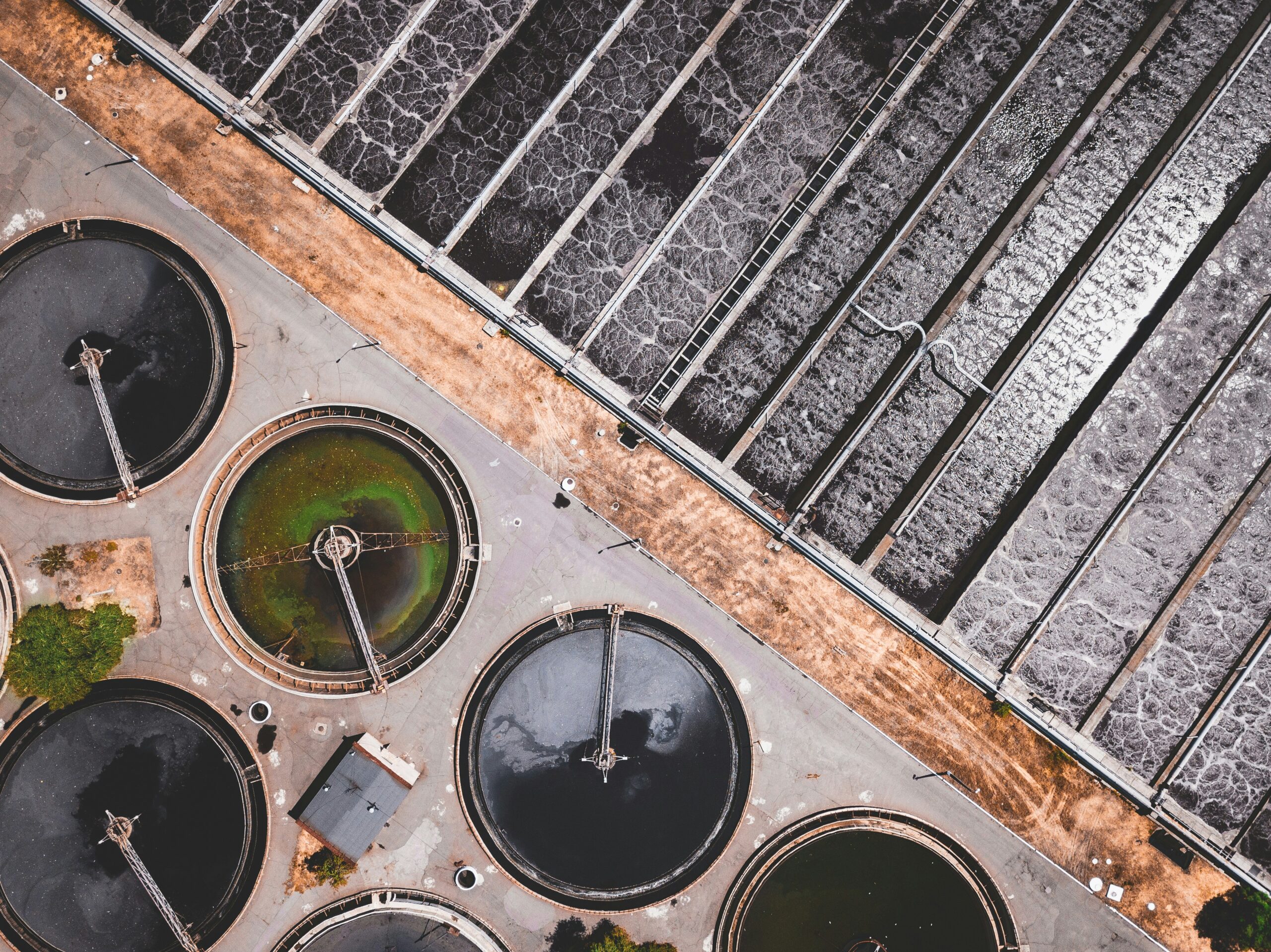
Chlorine is a widely utilized disinfectant in municipal water systems, serving a critical role in ensuring the safety of drinking water. Its primary function is to eradicate harmful pathogens, including bacteria and viruses, that can pose significant health risks to consumers. Chlorine reacts with organic and inorganic contaminants to form compounds that are effective in neutralizing health threats, thereby providing a cleaner and safer water supply. This disinfection process is crucial in preventing waterborne diseases, which can result in serious health complications.
Despite its effectiveness, the use of chlorine in water treatment does raise several concerns. One of the notable issues is the potential health risks associated with long-term exposure to chlorine and its byproducts, such as chloramines and trihalomethanes. While the levels of chlorine used in municipal systems are regulated to ensure safety, some studies suggest that prolonged consumption could be linked to various health issues, including respiratory problems and certain cancers. Furthermore, the formation of these byproducts during the chlorination process can inhibit the overall quality of the drinking water.
In addition to health implications, the taste and odor of chlorinated water can be unappealing to many users. Chlorine can impart a distinct chemical flavor that may discourage adequate water consumption. For those concerned about both the aesthetics and potential health effects of consuming chlorine-treated water, exploring effective removal methods becomes imperative. These methods not only enhance the taste of drinking water but also contribute to a healthier lifestyle by minimizing exposure to potentially harmful substances.
The Health Effects of Chlorine Consumption
Chlorine is a chemical commonly used in municipal water treatment facilities to disinfect drinking water and eliminate harmful microorganisms. While it serves a crucial purpose in water safety, its consumption can lead to various health issues. The potential health effects of chlorine can be particularly concerning when considering its byproducts, such as trihalomethanes (THMs) and haloacetic acids (HAAs), which are formed when chlorine reacts with organic matter in water.
Research indicates that exposure to chlorine and its byproducts is associated with respiratory problems. For instance, individuals with asthma or other pre-existing respiratory conditions may experience exacerbated symptoms due to the inhalation of chlorine vapors, particularly during showering or bathing, where chlorine is released as steam. Moreover, some studies suggest an increased risk of respiratory infections, especially in children, highlighting the need for careful consideration regarding chlorine levels in household water.
Skin irritations and allergic reactions are also possible consequences of chlorine exposure. Chlorinated water can strip the skin of its natural oils, leading to dryness, irritation, and exacerbation of skin conditions such as eczema. Regular contact with chlorinated water can pose long-term risks for vulnerable groups, especially children and individuals with sensitive skin.
Furthermore, the long-term consumption of chlorine and its byproducts has been linked to serious health concerns. Epidemiological studies have suggested a correlation between chlorine byproduct exposure and an increased risk of certain cancers, particularly bladder and colorectal cancers. The carcinogenic potential of THMs and HAAs has raised alarms among health professionals, emphasizing the importance of reducing chlorine levels in drinking water.
Understanding these potential health effects is crucial for individuals seeking to improve the quality of their drinking water and overall health. It is essential to remain vigilant about chlorine exposure and consider effective methods for removing chlorine from home water supplies for safer consumption.
Identifying Chlorine in Your Water Supply
Chlorine is a commonly used disinfectant in municipal water supplies, making it essential for households to be aware of its presence in drinking water. Recognizing chlorine in your water can begin with your senses. A distinct chemical taste and a pungent odor, reminiscent of swimming pools, are tell-tale signs of chlorine’s presence. If your water exhibits these characteristics, it is advisable to further investigate the chlorine levels.
Before taking any steps, consider conducting a water quality test. Numerous kits are available for purchase, providing you with results that detail not only chlorine content but also various other substances in your water. These test kits often include color-coded charts to match your samples against safe levels, making them a straightforward option for homeowners concerned about water quality. For those who prefer professional assistance, local water laboratories can perform more comprehensive analyses, ensuring accuracy and delivering extensive reports on your water’s safety.
Moreover, municipal water suppliers are legally required to provide consumers with annual water quality reports. These Consumer Confidence Reports (CCRs) offer valuable insights into the composition of your water supply, including any detected levels of chlorine. Accessing these reports can be done through your municipal water provider’s website or by requesting a physical copy directly. Familiarity with these documents will not only help you identify chlorine levels but will also inform you of any recent changes in water treatment practices that may impact your health.
In addition to these methods, monitoring solutions such as digital water testers can also assist in keeping track of chlorine levels in real-time. By understanding how to identify and quantify chlorine presence in your drinking water, you can take necessary precautions to ensure safe and healthy water consumption for you and your family.
Common Methods for Removing Chlorine
Chlorine is frequently used as a disinfectant in municipal water supplies, but its presence can affect the taste and quality of drinking water. There are several effective methods for removing chlorine from home drinking water, each with unique advantages and drawbacks.
One of the simplest methods is boiling water. By bringing water to a rolling boil for at least 15 minutes, chlorine will evaporate. This method is effective and requires no special equipment; however, it is time-consuming and may not be practical for larger quantities of water.
Activated carbon filters are a popular choice for chlorine removal due to their effectiveness and convenience. These filters can be easily installed in tap systems or used in water pitchers. They work by adsorbing chlorine, thereby improving water quality. While activated carbon filters can significantly reduce chlorine levels, they require regular replacement to maintain efficiency and can be less effective against other contaminants.
Another highly efficient option is reverse osmosis systems. These systems use a semipermeable membrane to remove chlorine along with various other impurities from drinking water. Reverse osmosis is renowned for producing high-quality water but tends to be more expensive than other methods. Additionally, they often require professional installation and regular maintenance to function optimally.
UV light treatment is a less common but effective method for chlorine removal. Water is exposed to ultraviolet light, which effectively discontinues chlorine’s effectiveness as a disinfectant. While this method is effective and does not introduce chemicals into the water, it typically requires a more complex system and can be costly upfront.
In conclusion, selecting the most suitable method for removing chlorine depends on personal preferences, budget constraints, and the specific water quality needs at home. Careful consideration of these approaches can lead to improved drinking water quality and taste.
Choosing the Right Water Filtration System
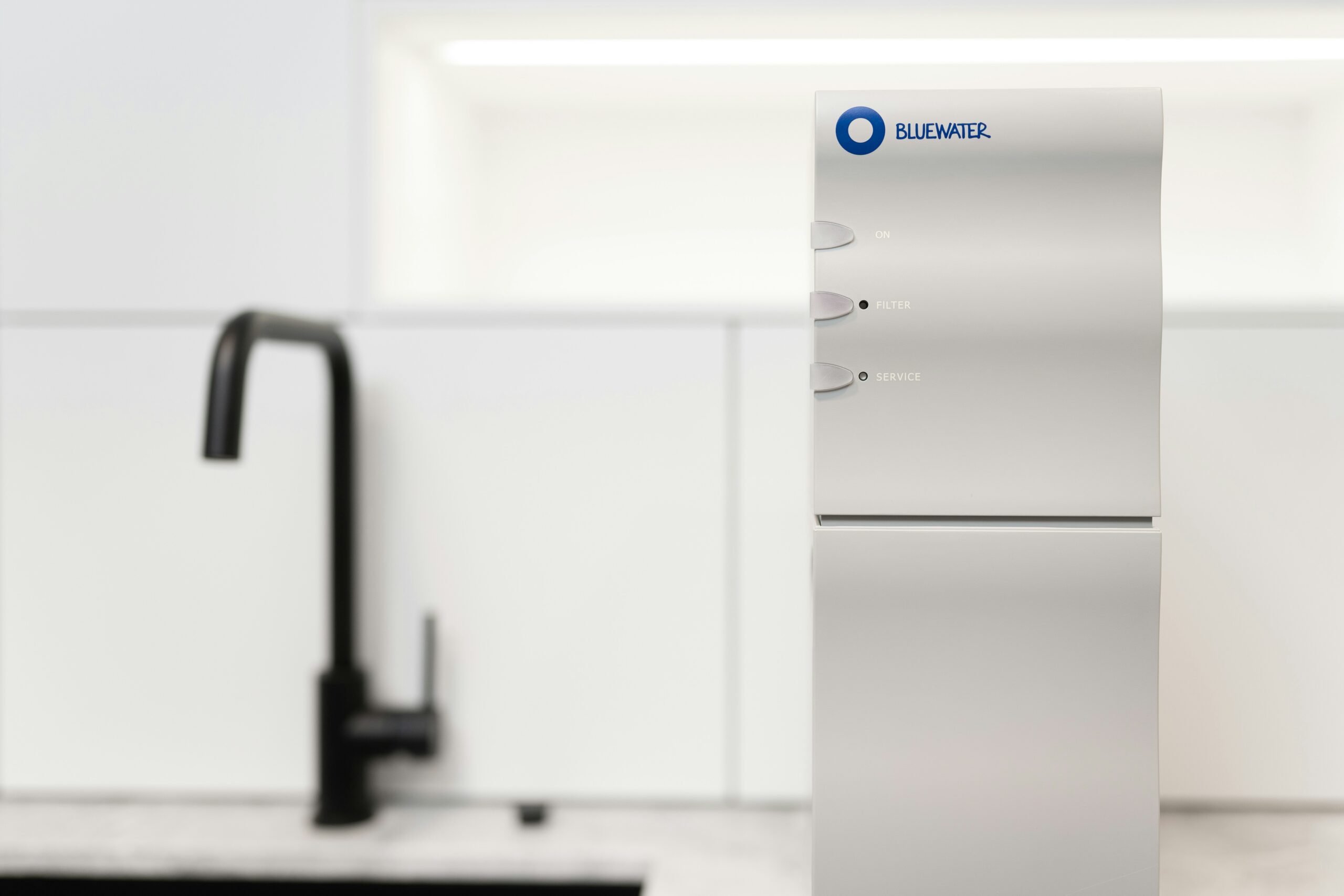
Selecting an appropriate water filtration system is essential for effectively removing chlorine from your home drinking water. The presence of chlorine in tap water, often used as a disinfectant, can affect taste and odor. Therefore, choosing a filtration system that aligns with your specific needs is vital. First, consider the type of filtration technology that will work best for you. Common methods include activated carbon filters, reverse osmosis systems, and UV purification. Activated carbon filters are particularly effective at absorbing chlorine, providing a simple and affordable solution for many households.
Installation requirements are another important factor. Some systems require complex plumbing changes, while others can be easily installed without professional help. For instance, faucet-mounted systems typically allow for straightforward installation and may be a good choice for renters or those hesitant to modify their plumbing. Meanwhile, under-sink or whole-house filtration systems have more extensive installation processes but often provide superior results.
Maintenance and filter lifespan should also influence your decision. It’s crucial to choose a system that provides filters which are easily replaceable and have a reasonable lifespan. Many brands offer filters that last several months to years, depending on water usage and the level of contaminants. Be sure to check the manufacturer’s guidelines on filter replacement to maintain optimal performance.
In terms of brands, some consumer-friendly options include Brita, PUR, and Aquasana, which are well-regarded for their effectiveness in chlorine removal and overall water quality improvement. Evaluating customer reviews and product certifications can further assist in making an informed choice. By carefully considering these factors, you can select a water filtration system that best meets your household’s needs while ensuring safe and pleasant drinking water free from chlorine.
DIY Solutions for Chlorine Removal
Reducing chlorine levels in your drinking water can be achieved through various do-it-yourself techniques that are both cost-effective and simple to implement. One of the most straightforward methods is to let your water sit in an open container for a few hours. Chlorine is a volatile compound that evaporates over time, so allowing the water to aerate can significantly decrease its concentration. This method, however, may take several hours and is most effective for small quantities.
An effective homemade filtration system involves using activated carbon, a substance known for its excellent adsorption properties. You can create a simple filtration system using a container filled with activated charcoal. Water poured through this material can help remove chlorine along with other potential contaminants. It is essential to ensure that the activated charcoal is food-grade and properly rinsed before use to maximize its efficiency and safety.
Another method to consider is the use of Vitamin C, specifically ascorbic acid, which has been shown to neutralize chlorine. By adding a small amount of this vitamin to your water, you can effectively reduce chlorine levels. This technique is particularly useful for treating a larger volume of water, given that Vitamin C is safe to ingest and will not alter the water’s taste significantly. To enhance the effectiveness of this approach, it may be advisable to mix the Vitamin C with warm water to ensure complete dissolution.
While these DIY methods can significantly reduce chlorine concentrations, it’s important to ensure proper safety practices are followed, especially in regard to material selection and storage of treated water. Though these solutions can be effective on a smaller scale, homeowners concerned about higher chlorine levels might also consider supplementing these methods with commercial filtration systems for optimal results.
Insight on Whole House Filtration Systems
Whole house filtration systems provide an effective solution for addressing not only chlorine but also a variety of contaminants that can compromise the quality of drinking water. These systems are designed to treat water at the point of entry, ensuring that all the water used throughout the home—whether for drinking, cooking, bathing, or cleaning—is purified. As a result, homeowners experience significant benefits, enhancing both the safety and the palatability of their water.
One of the primary advantages of installing a whole house filtration system is the improvement in taste and odor. Chlorine, often utilized as a disinfectant in municipal water treatment, can leave behind an unpleasant smell and flavor. A properly designed filtration system effectively reduces chlorine levels, leading to cleaner, fresher-tasting water. In addition to chlorine, many systems also target other harmful substances such as heavy metals, sediment, and various chemical pollutants, providing a comprehensive purification solution.
Moreover, the health safety aspect of whole house filtration cannot be overstated. Chlorine and its byproducts have been linked to various health concerns, including respiratory issues and skin irritation. By employing a filtration system that encompasses pre-filters, activated carbon filters, and possibly additional stages of purification, homeowners can significantly mitigate these risks. As families become more health-conscious, the importance of having access to clean water becomes increasingly evident.
Beyond personal health, whole house filtration systems also contribute to the longevity of plumbing and appliances. Chlorine and other corrosive substances can lead to premature wear and tear, resulting in costly repairs or replacements. By investing in a whole house filtration system, homeowners not only protect their health but also safeguard their infrastructure.
Maintenance and Care for Filtration Systems
To ensure the effectiveness of filtration systems designed for chlorine removal, regular maintenance and care are essential. This includes adhering to a filter replacement schedule appropriate for the type of system being used. Many manufacturers provide guidelines indicating when filters should be replaced, which can vary from every few months to annually, depending on water usage and contaminant levels. It is wise to monitor the condition of the filters and replace them as needed to maintain optimal filtration efficiency.
In addition to replacing filters, cleaning the filtration system is a critical component of maintenance. Over time, sediment and other particles can build up within the system, reducing its effectiveness. Regularly cleaning the system according to the manufacturer’s instructions will help maintain proper functionality. This can involve rinsing or soaking components in suitable cleaning solutions to remove any buildup. For systems that include pre-filters or sediment filters, cleaning those components is equally important.
Another vital aspect of care involves performing routine checks on all connections and seals within the filtration system. Any leaks or loose connections can compromise the water quality, leading to inefficient chlorine removal. It is advisable to inspect these components periodically to ensure they remain secure and in good condition.
Users should also remain informed about the advancements and changes in filtration technology. Emerging technologies may offer improved methods for chlorine removal, potentially enhancing the efficiency of home filtration systems. Engaging with manufacturer updates or community forums can be a useful way to stay current.
By following these maintenance practices, homeowners can ensure that their filtration systems operate effectively and provide clean, safe drinking water consistently. Regular attention to these details not only preserves the filtration system’s lifespan but also contributes to the overall health and safety of the household. In conclusion, proactive maintenance is key to achieving satisfactory results from chlorine removal systems.
Conclusion: Making a Healthy Choice for Your Drinking Water
Addressing chlorine levels in your home drinking water is paramount for ensuring a safe and healthy consumption experience. Chlorine is commonly used as a water disinfectant, but its presence can lead to undesirable health effects and unpleasant tastes and odors. As highlighted throughout this discussion, various methods and products are available to effectively remove chlorine from your drinking water. Each option caters to different preferences and budgets, allowing you to make an informed choice based on your specific needs.
From point-of-use filtration systems to whole-house filters, the methods discussed offer practical solutions for reducing or eliminating chlorine. Activated carbon filters, reverse osmosis systems, and specific pitchers have demonstrated efficacy in chlorine removal, thus enhancing water quality significantly. Additionally, the introduction of dechlorination agents and UV purification adds versatility to available options, accommodating various household scenarios. Understanding these alternatives enables homeowners to adopt a proactive approach towards better water quality.
Investing in clean drinking water should be viewed as a critical step towards promoting long-term health and well-being. Chlorine in drinking water may not only influence taste but could pose potential health risks with prolonged exposure. By utilizing the methods discussed in this blog post, you can ensure that your drinking water is free from harmful chemicals, aiding in the overall enhancement of your daily hydration practices.
In closing, prioritizing chlorine removal in your drinking water contributes significantly to safeguarding your health and improving the quality of your water supply. By taking the initiative to explore and implement these effective solutions, you can make a lasting impact on your home’s water quality. The choice to invest in the health of your household is not merely a passing decision; it is a commitment to a healthier future.