Introduction to Microplastics
Microplastics are widely recognized as a significant environmental concern, defined as plastic particles measuring less than five millimeters in diameter. These minute fragments are classified into two broad categories: primary and secondary microplastics. Primary microplastics are manufactured at a microscopic scale for use in products such as cosmetics and industrial abrasives. Secondary microplastics, on the other hand, result from the degradation of larger plastic debris due to environmental factors like weathering, UV radiation, and mechanical forces.
The sources of microplastics are numerous and widespread. They can originate from consumer products, clothing, plastic packaging, and the breakdown of larger plastic items in nature. As plastics persist in the environment for extended periods, they fragment into smaller bits, thus increasing the prevalence of microplastics in various ecosystems. Studies indicate that microplastics are found in oceans, freshwater systems, soil, and even in the air we breathe, highlighting their pervasive nature.
In marine environments, microplastics pose a particular threat, not only to aquatic life but also to human health through the food chain. Fish, seabirds, and marine mammals ingest these particles, leading to potential internal injuries, reproductive issues, and even death. Research has shown that microplastics can absorb harmful chemicals from the surrounding water, which can subsequently enter the organisms that consume them, compounding the dangers associated with microplastic pollution.
As awareness of microplastics continues to grow, the environmental implications of their widespread presence are becoming increasingly critical to address. Policymakers, scientists, and the public are calling for concerted efforts to mitigate the effects of microplastics, emphasizing the urgent need for strategies to reduce plastic production and increase recycling efforts, thereby protecting ecosystems and human health alike.
The Journey of Microplastics
Microplastics, defined as plastic particles smaller than five millimeters, originate from a variety of sources, with their formation closely tied to human activities. One primary way microplastics are generated is through the degradation of larger plastic waste. When larger plastic items, such as bottles, bags, and containers, are exposed to environmental conditions like sunlight, saltwater, and mechanical wear, they break down into smaller fragments. This process can result in the formation of microplastics over months or even years, ultimately contributing to the environmental pollution prevalent today.
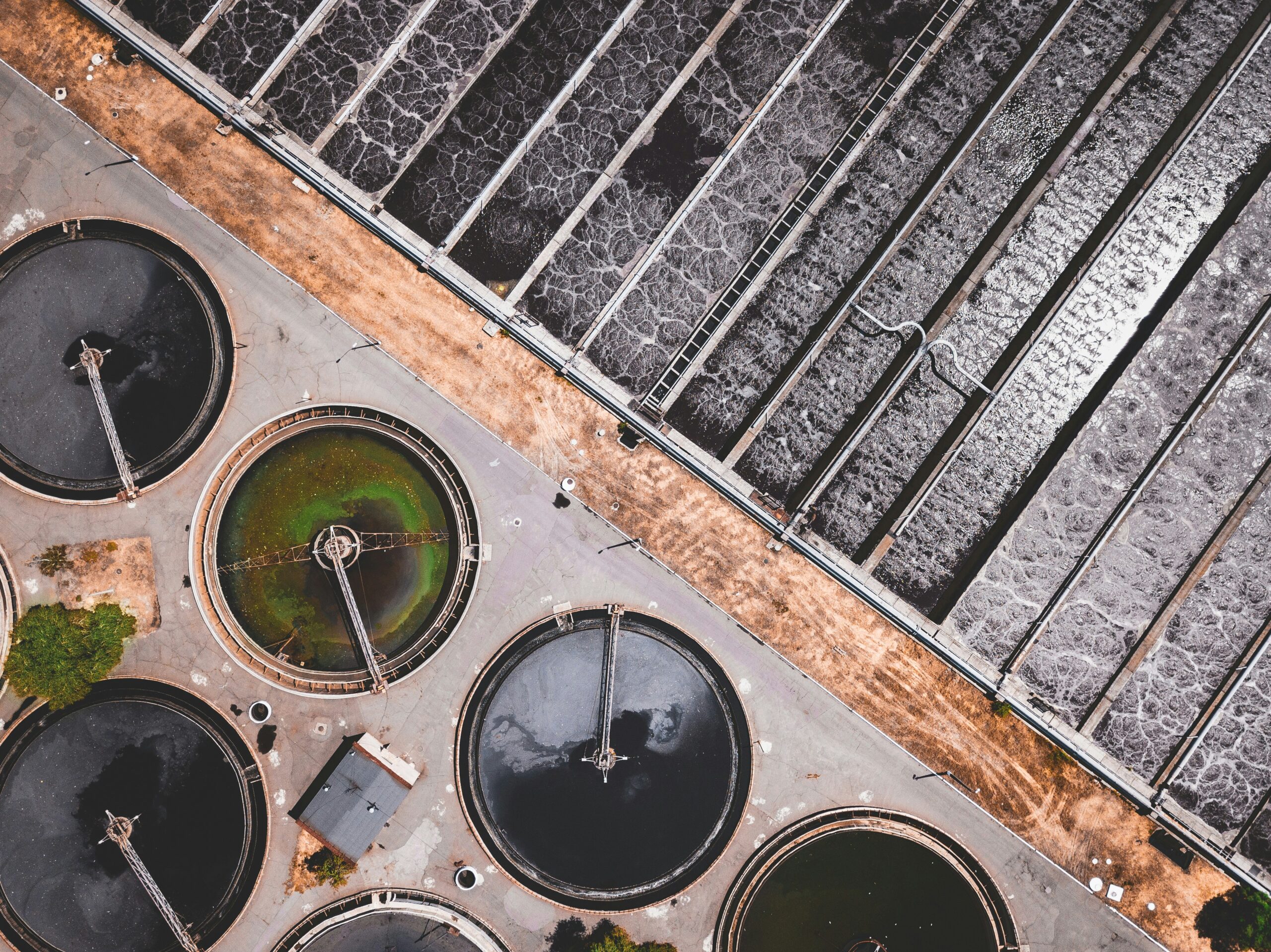
In addition to the breakdown of existing plastic waste, microplastics are intentionally manufactured for various products. These can be found in personal care items such as exfoliating scrubs and toothpaste where microbeads serve as abrasives, as well as in textiles, where plastic fibers are released during washing. Consequently, these microplastics enter water systems as wastewater treatment facilities are often incapable of filtering out such small particles, allowing them to flow freely into rivers and oceans.
Once introduced to aquatic ecosystems, microplastics can be ingested by a wide array of organisms, including fish, shellfish, and even microorganisms. This ingestion can lead to bioaccumulation as microplastics traverse the food web, potentially affecting larger predators, including birds and mammals that are dependent on these smaller marine life forms. As these microplastics move through ecosystems, they not only pose a physical threat to marine life but also bring along toxic substances that can adhere to their surfaces. Thus, understanding the journey of microplastics is critical for comprehending their ecological impact and the broader implications for human health and the environment.
Environmental Impact of Microplastics
The proliferation of microplastics in diverse ecosystems has emerged as a significant environmental concern. These tiny plastic particles, less than five millimeters in size, have infiltrated marine, freshwater, and terrestrial environments, resulting in detrimental effects on wildlife and biodiversity. Marine life is particularly vulnerable, as microplastics are often mistaken for food by various organisms, including fish, seabirds, and marine mammals. Ingesting these particles can lead to malnutrition, starvation, and digestive blockages, undermining their overall health and survival rates.
Research has highlighted how microplastics, when consumed, can accumulate in the tissues of organisms, leading to biomagnification through the food chain. For instance, small fish that ingest microplastics can be consumed by larger predators, impacting populations at multiple trophic levels. Moreover, when these microplastics fragment further, they may release toxic chemicals into the environment, exacerbating their harmful effects on marine biodiversity. The entry of microplastics into marine ecosystems also disrupts ecological balance, contributing to a decline in species diversity.
Freshwater ecosystems, including rivers, lakes, and wetlands, are also not immune to the threat posed by microplastics. Studies have found these particles in a variety of freshwater species, including aquatic plants and invertebrates, which can lead to altered feeding behaviors and reproductive issues. Terrestrial environments are equally affected, with soil microplastics influencing plant growth and soil health, thereby posing a potential risk to agricultural productivity.
In conclusion, the environmental repercussions of microplastics are broad and multifaceted, impacting various ecosystems and the organisms that inhabit them. Protecting our natural environments from the pervasive influence of microplastics is essential to maintain biodiversity and ensure the health of future generations.
Health Risks Associated with Microplastics
Microplastics, defined as small plastic particles less than five millimeters in size, have become pervasive in the environment, raising significant concerns regarding their implications for human and animal health. Numerous studies have explored how these fine particles can enter the human body, primarily through ingestion and inhalation. Common sources include contaminated food and water, as well as the air, particularly in urban areas where plastic waste is prevalent. For instance, microplastics have been discovered in seafood, salt, and even drinking water, highlighting the ubiquitous nature of these pollutants.
The toxicological effects of microplastics largely depend on their size, shape, and the chemicals they may carry. Research has indicated that they can provoke inflammatory responses in human tissue and may disrupt endocrine functions. Additionally, microplastics can absorb harmful pollutants from the environment, which may then leach into the body upon ingestion. Preliminary studies suggest links between microplastic exposure and a range of health issues, including respiratory problems, reproductive harm, and gastrointestinal distress. Animal studies have shown concerning effects, such as altered growth, immune response suppression, and even cancer.
Moreover, ongoing research efforts aim to unravel the long-term health consequences of microplastic exposure. As the field is still in its early stages, scientists are directing attention to understanding the specific pathways and mechanisms by which microplastics influence human health. This includes investigating the role of microplastics in chronic diseases and disorders, as well as their impact on vulnerable populations, such as children and individuals with pre-existing health conditions. Continuous surveillance and targeted research are crucial as the full spectrum of microplastics’ health risks becomes increasingly apparent.
Microplastics in the Food Chain
Microplastics have infiltrated various ecosystems globally, leading to significant concerns regarding their presence in the food chain. These tiny plastic particles, measuring less than five millimeters, originate from the breakdown of larger plastic debris and from synthetic fibers released during clothing washing. As consumers, we often remain unaware of the extent to which these pollutants have permeated our food systems, both in marine and terrestrial environments.
Research indicates that microplastics are prevalent in the ocean, where they pose a considerable threat to marine life. Numerous studies have shown that fish, shellfish, and other marine creatures inadvertently ingest microplastics as they feed on plankton or other small organisms. This ingestion raises alarms about the transfer of these particles through the food chain. When larger predators consume smaller fish, the microplastics can accumulate in their bodies, potentially affecting their health and ultimately those of humans who consume them.
Not only are marine food sources affected, but terrestrial organisms are also at risk. Recent investigations have detected microplastics in agricultural products such as root vegetables and grains, primarily due to the contamination of soil and water systems. This pollution can occur through various pathways, including the application of fertilizers that contain microplastics or the deposition of plastic waste in agricultural areas. As a result, humans could consume these contaminated food items, leading to potential adverse health implications.
The implications of microplastics in our food sources extend beyond just environmental concerns; they raise critical questions about food safety and public health. Understanding the pathways through which microplastics enter the food chain is crucial for mitigating their impact and protecting consumer health. Continued research and increased awareness are essential to address the risks posed by microplastics, ensuring that safe and healthy food remains accessible to all.
Documented Incidents of Microplastic Pollution
Microplastics, minute plastic particles measuring less than five millimeters, represent a pervasive environmental challenge impacting ecosystems worldwide. Numerous case studies highlight the alarming implications of microplastic pollution on diverse habitats. One notable incident occurred in the Great Lakes of North America, where researchers discovered microplastics embedded in the sediment. This study revealed that marine life, including fish species like perch and bass, ingested these microplastics, leading to potential health risks, such as reduced reproductive success and altered feeding behavior. These findings underline the importance of addressing microplastic pollution in freshwater systems, which often receive less attention compared to oceanic environments.
Another compelling case emerged from the coastal areas of the Mediterranean Sea, where microplastic contamination was documented in various marine organisms, including shellfish and seabirds. A comprehensive analysis revealed that nearly 30% of the sampled fish carried microplastic particles within their gastrointestinal tracts. The ramifications of this pollution extend beyond individual organisms, posing a significant threat to biodiversity and the overall health of marine ecosystems. As these creatures occupy critical roles in their habitats, their compromised health can lead to broader ecological consequences.
In urban environments, microplastics have infiltrated terrestrial ecosystems, as evidenced by a study conducted in a city park in London. Soil samples collected from various locations contained microplastic fibers, attributing their presence to nearby litter and atmospheric deposition. This incident illustrates the potential for microplastics to disrupt soil health and adversely affect plant growth, consequently impacting herbivorous wildlife reliant on those plants for sustenance. The cumulative evidence from these case studies emphasizes the urgent need for concerted efforts to mitigate microplastic pollution and its profound implications across ecosystems worldwide.
Regulatory Responses and Solutions
The presence of microplastics in the environment has prompted a significant response from global regulatory bodies and governments. Various frameworks have been implemented to tackle plastic pollution and its effects on ecosystems and human health. These regulations vary in scope and effectiveness, depending on the region, but they generally focus on reducing plastic production, improving waste management practices, and enhancing public awareness.
For instance, the European Union has established comprehensive strategies, such as the European Plastics Strategy, aimed at reducing plastic waste and promoting sustainable alternatives. Recent legislative measures, including the ban on single-use plastics, reflect a proactive approach to mitigate the entry of microplastics into water bodies and the environment. Other nations, like Canada and New Zealand, have also initiated similar bans and are promoting the use of biodegradable materials.
In addition to legislative measures, various organizations have undertaken initiatives to address microplastic pollution. Programs dedicated to global clean-up efforts, education campaigns on plastic waste, and innovations in biodegradable materials have emerged as essential components of the solution. For example, initiatives like the Ocean Cleanup Project have targeted river waste to prevent plastics from reaching the ocean, thereby reducing microplastic proliferation.
Despite these efforts, research indicates a need for improved regulatory efficacy. Many countries still lack comprehensive frameworks to manage microplastics specifically. Policymakers should focus on enhancing collaborations between industries, scientists, and communities to develop standardized guidelines for microplastic research and mitigation. Furthermore, public awareness campaigns are crucial, as educated citizens can advocate for sustainable practices and hold corporations accountable for their plastic use.
In conclusion, while numerous regulatory responses and initiatives have made strides in addressing the microplastics crisis, ongoing improvements and public engagement are essential to create a sustainable future free from plastic pollution.
Individual Actions to Combat Microplastics
As concerns about microplastics continue to grow, individuals play a crucial role in addressing this pressing environmental issue. By making conscious lifestyle choices and promoting sustainable practices, individuals can significantly reduce their plastic footprint and help combat microplastic pollution.
One of the most effective actions individuals can take is to minimize single-use plastics in their daily lives. Opting for reusable bags, bottles, and containers not only prevents additional plastics from entering the environment but also encourages a shift in consumer behavior away from disposable products. When shopping, choose products with minimal or no packaging, or select items packaged in alternatives such as glass or metal, which are less likely to contribute to microplastic pollution.
Personal consumer choices can extend to clothing as well. Synthetic fabrics, such as polyester and nylon, can shed microfibers into waterways during washing. Therefore, individuals should consider purchasing clothing made from natural fibers, such as cotton, wool, or hemp. Additionally, using a microfiber filter in washing machines can help capture these tiny particles before they are released into the environment. This small adjustment can collectively lead to a significant reduction in the microplastic load entering our oceans and rivers.
Advocacy plays a critical role in the fight against microplastics as well. Individuals are encouraged to engage with their communities, educate others about the dangers of microplastics, and support policies aimed at plastic reduction. Joining local environmental organizations or participating in clean-up events can raise awareness about the issue. Furthermore, advocating for better waste management practices, such as recycling and composting, can contribute to a healthier ecosystem.
By integrating these practical steps into daily routines, individuals can help mitigate the impact of microplastics and foster a collective effort towards a cleaner, more sustainable world.
Conclusion: The Path Forward
As we have explored throughout this blog post, the presence of microplastics in our environment poses significant dangers that cannot be overlooked. Microplastics, often considered a hidden threat, infiltrate our ecosystems and, subsequently, our bodies. The details we have discussed highlight the pervasive nature of these particles and their impact on human health and wildlife alike. From entering the food chain to contaminating water sources, microplastics represent a complex challenge that demands our immediate attention.
It is crucial for individuals to recognize that every action contributes to a larger picture. Simple lifestyle changes—such as reducing single-use plastics, opting for sustainable products, and advocating for responsible consumption—can significantly mitigate the spread of microplastics. Communities play an essential role as well; organizing clean-up campaigns, promoting recycling initiatives, and ensuring local policies enforce environmental regulations can lead to substantial improvements in waste management practices.
Moreover, the importance of policymakers in this fight cannot be understated. Effective legislation is vital to curbing plastic production and implementing advanced waste management systems. Policymakers must prioritize resilience against microplastics by investing in research and supporting innovations aimed at reducing plastic usage. Collaborative efforts on both local and global scales are required, as microplastics transcend borders and necessitate unified action for a sustainable future.
In conclusion, addressing the microplastics crisis invites a collective commitment from individuals, communities, and policymakers alike. Awareness is only the first step; it is crucial to translate knowledge into action. By comprehensively understanding the threats posed by microplastics and actively working towards solutions, we can ensure a healthier environment for current and future generations. The path forward will depend on each of us taking responsibility and striving for change together.